News & guides
The Real Estate Market in Las Vegas: Current State and Outlook

The Real Estate Market in Las Vegas: Current State and Outlook
Estimated reading time: 6 minutes
- Las Vegas is experiencing population growth that is driving the demand for housing.
- The average home price has risen by 10% in the past year.
- The supply of properties is limited, creating a competitive environment.
- Investing in real estate remains attractive for many due to the high demand for rentals.
- Prices may continue to rise in 2024, making it a good time to consider purchases.
Table of Contents
- Population Growth and Its Impact on the Market
- Current Real Estate Market Data
- Factors Influencing Supply and Demand
- Housing Price Outlook
- The Appeal of Real Estate Investments
- Important Features for Buyers
- Conclusions on the Future of the Real Estate Market in Las Vegas
- Final Considerations
Population Growth and Its Impact on the Market
The population of Las Vegas has been steadily growing. Since 2010, the city has seen a growth of approximately 18% in its population. This increase has generated greater housing demand, both for purchase and for rent. It is crucial to note that this population growth is driven, in part, by the migration of people seeking better weather and more job opportunities.
Current Real Estate Market Data
According to the latest report from the Las Vegas Association of Realtors, the average price of a home in Las Vegas has risen to approximately $425,000 in 2023, compared to $385,000 in 2022. This 10% increase reflects the steady demand in the market, despite fluctuations in the economy.
However, not all areas of the city are experiencing the same growth. For example, neighborhoods like Summerlin have seen significant increases due to their amenities and quality of life. On the other hand, older areas, such as downtown Las Vegas, are still in the process of revitalization.

Factors Influencing Supply and Demand
The supply of properties has been a recurring topic in discussions about the current real estate market. While the construction of new homes has increased, it has still not managed to meet demand. In this context, the inventory of available homes has fallen to historic lows, with an inventory of only 0.9 months compared to the 6-month standard considered a balanced market. This imbalance between supply and demand creates a competitive environment for buyers.
Housing Price Outlook
Analysts predict that prices will continue to rise throughout 2024, although the rate of growth may begin to slow down. This is due to several factors including rising interest rates that have increased from 3% to 6% in recent years. This change in interest rates can affect home purchases, making mortgages more expensive. However, experts from the National Association of Realtors suggest that the strength of the job market in Las Vegas will mitigate some of these concerns, maintaining demand.
The Appeal of Real Estate Investments
Investing in real estate in Las Vegas remains a smart decision for many. Rental properties are in high demand due to constant migration and the arrival of new residents. According to Apartment List, the average rent in the Las Vegas metropolitan area reached around $1,600 per month, representing an 8% increase from last year. In this sense, investors acquiring properties in strategic areas will not only earn rental income but also long-term capital appreciation.
Important Features for Buyers
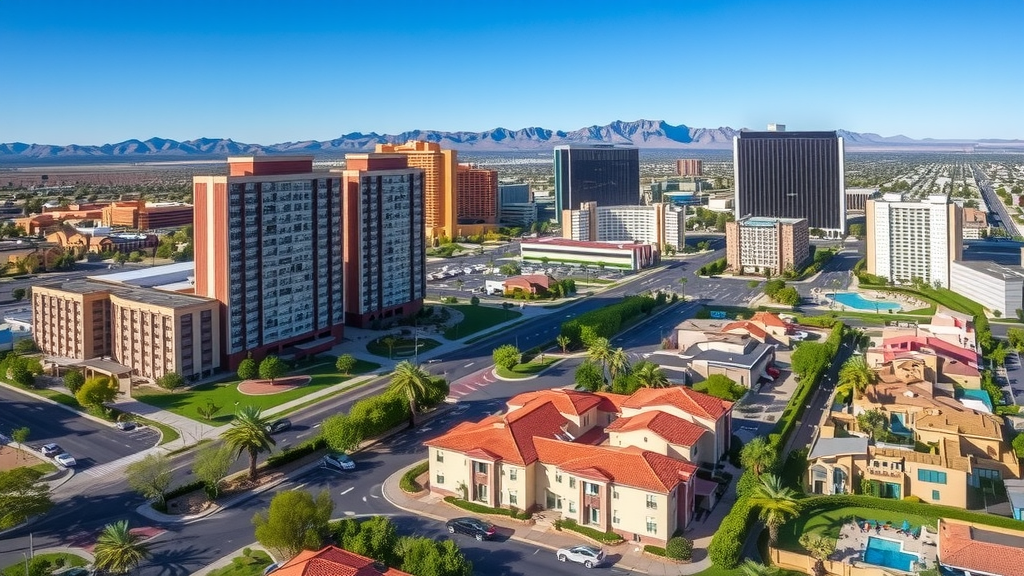
When considering the purchase of a property in Las Vegas, there are several aspects to keep in mind. First, location is paramount. Areas close to schools, shops, and public transport tend to attract more buyers. Second, the condition of the home is a crucial factor; a well-maintained property can save long-term repair costs.
Conclusions on the Future of the Real Estate Market in Las Vegas
As we move towards the end of 2023 and the beginning of 2024, it is clear that the real estate market in Las Vegas remains strong. However, the mix of factors such as limited supply, rising interest rates, and continuous housing demand will dictate the pace of the market. For those considering buying or investing, now may be the right time to act, taking advantage of current conditions before prices rise even further.

Final Considerations
In summary, the Las Vegas real estate market offers great opportunities but also presents challenges. It is essential to stay informed and prepared to compete in a dynamic market. I am always ready to help you navigate this exciting environment. Don’t hesitate to contact me if you are interested in exploring your options for purchasing or investing in real estate.
Fernando Polti, your real estate expert.
Connect with My Services
If you wish to take advantage of my services, feel free to subscribe to my newsletter to receive exclusive information about the market, early access to new properties, and expert advice on buying and selling homes.
FAQ
What are the current trends in the real estate market in Las Vegas?
In Las Vegas, there is an increase in demand for housing, especially in suburban areas. Remote work has led many to seek more space and amenities. Additionally, investment in rental properties continues to be attractive due to population growth.
Is it a good time to buy in Las Vegas?
If you are considering buying in Las Vegas, it is important to analyze current interest rates and prices. Although the market shows signs of stability, experts suggest that prices may continue to rise, making buying today potentially advantageous.
What areas are most recommended for investing in properties?
Some areas to consider in Las Vegas are Henderson and Summerlin, which offer good amenities and schools. These areas have shown consistent value growth. However, it is crucial to conduct a local market analysis before deciding.
How does the local economy affect the real estate market?
The economy of Las Vegas, driven by tourism and entertainment, directly impacts the real estate market. When the economy is strong, demand for properties also grows. Monitoring local economic indicators offers a clear view of future real estate trends.
What additional expenses should I consider when buying a property?
When buying a property, you should consider costs such as closing fees, property taxes, and maintenance. You should also consider potential renovation expenses that will allow you to adjust the home to your needs.
Sources
1. U.S. Census
2. Las Vegas Association of Realtors
3. Northern Virginia Association of Realtors