News & guides
The Real Estate Market in Las Vegas: A Current Analysis
The Current Context of the Real Estate Market in Las Vegas
Estimated reading time: 5 minutes
- 20.5% increase in the average home selling price.
- 5% decrease in home sales in the last quarter.
- 12% increase in rents, indicating high demand.
- New home construction has fallen by 10% in the past year.
- Investment opportunities in Downtown Las Vegas.
Table of Contents
- The Current Context of the Real Estate Market in Las Vegas
- Impact of Interest Rates on Buyers
- Trends in the Rental Market
- Opportunities in Development
- Conclusion: What’s Next?
- Frequently Asked Questions
The Current Context of the Real Estate Market in Las Vegas
Las Vegas, famous worldwide for its entertainment and casinos, is also emerging as an attractive location for real estate investment. As the economy continues to recover post-pandemic, the Las Vegas real estate market has exhibited interesting trends that deserve detailed analysis. In recent years, the demand for residential real estate has increased significantly while mortgage interest rates have fluctuated, reshaping the buying strategies of many.
Recent Market Data
According to the National Association of Realtors, the average selling price of a home in Las Vegas has experienced a growth of 20.5% in the past year, reaching approximately $400,000. This increase has been driven by a low supply of properties available in the market, leading to an imbalance in supply and demand.
A report from RMLS indicates that the number of home sales in Las Vegas has fallen by 5% in the last quarter, which may reflect the rising interest rate that has jumped from 3% to 6% in just one year. This situation has caused many buyers to reconsider their purchasing decisions, despite the quality of life criteria in Las Vegas remaining favorable.
Impact of Interest Rates on Buyers
The increase in interest rates affects buyers’ ability to qualify for mortgages that fit their budgets. Young buyers, in particular, are more sensitive to these changes. With many Millennials and Gen Z looking to settle down, the combination of rising prices and higher interest rates can create a significant hurdle.
Supply Continues to Be a Problem
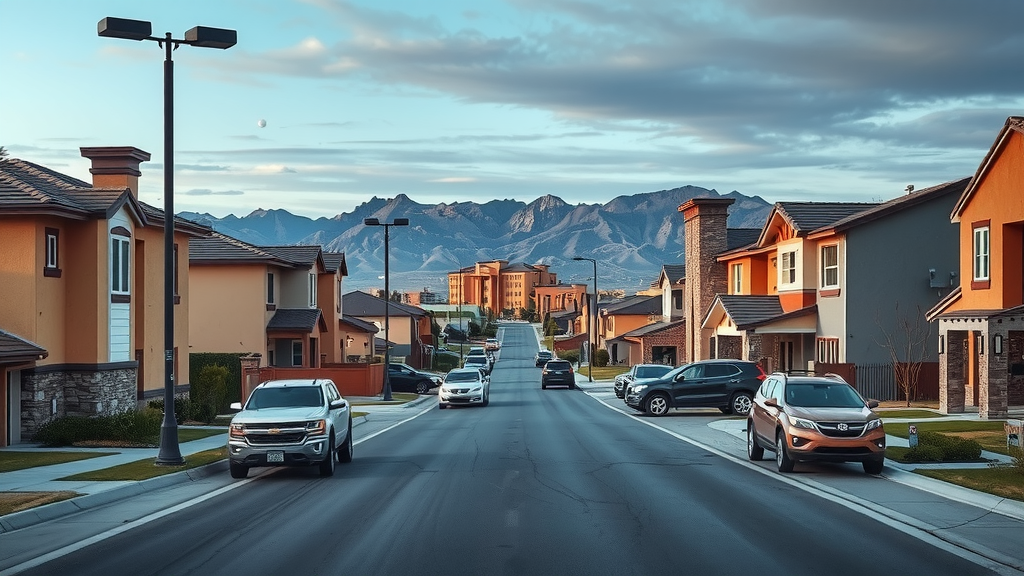
Despite the decline in sales, demand remains high, which has led to an increase in prices. Properties in desirable locations like Summerlin and Henderson have been the subject of multiple offers, often above the listing price. The lack of new construction has also been a critical factor. According to the Census Bureau, new home construction has dropped by 10% in the Las Vegas metropolitan area in the past year.
Trends in the Rental Market
For those looking for investment options, the rental market in Las Vegas is also showing strong demand. Rents have increased by 12% in the past year, indicating solid demand for rental properties. The phenomena of remote work have led to an increase in the search for larger apartments with workspaces and convenient access to amenities.
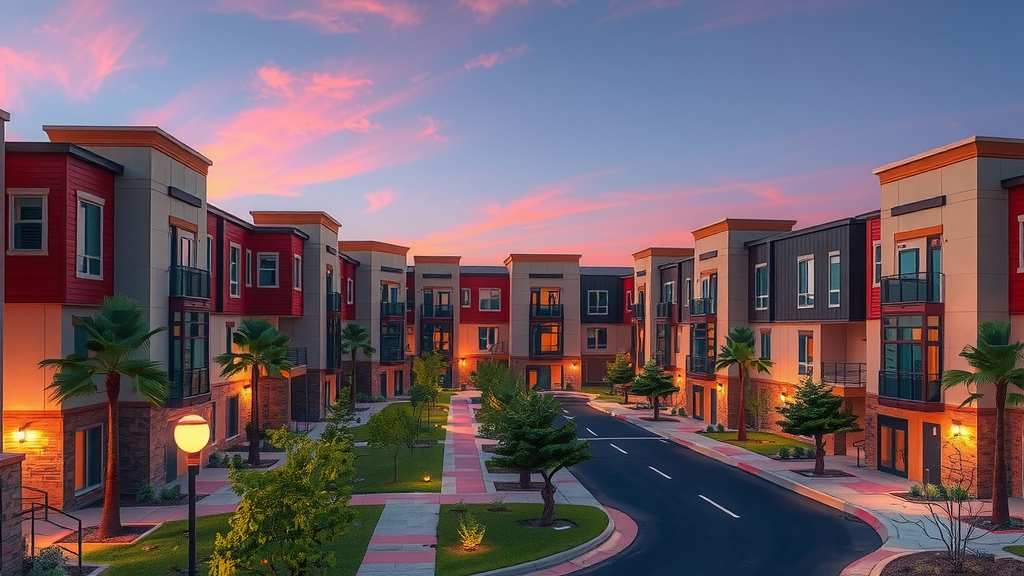
Investors are viewing this as an opportunity. Many are acquiring multifamily buildings, anticipating long-term profitability as Las Vegas’s population continues to grow. The population growth in the metropolitan area is projected at 2% annually, generating an increased need for housing both for purchase and rental, as reflected in the Bureau of Labor Statistics.
The Importance of Staying Updated
To effectively navigate the current market, it is crucial for both buyers and sellers to be aware of trends and statistics. Events such as the host seminars and expos to help interested parties better understand the current landscape. Subscribe to newsletters from industry professionals like me to stay informed of the latest news and opportunities in the real estate market.
Opportunities in Development
The city is also seeing a renaissance in areas like Downtown Las Vegas. With projects like the Fremont East Entertainment District, new opportunities are emerging for those looking to invest in commercial and residential properties. This district has been attracting an increasing number of young professionals and artists, which in turn is boosting interest in nearby residential developments.
Additionally, initiatives such as creating entertainment zones and developing parks offer a quality of life that attracts new residents. For example, the revitalization project of Las Vegas Arts District is transforming the area into a cultural hub, which is projecting future growth in the region.
Conclusion: What’s Next?
In summary, the Las Vegas real estate market is at a crossroads. Buyers face high competition, a continuing limited supply, and interest rates that impact their decisions. However, for investors, opportunities remain abundant. With a growing population and a robust rental market, there is a clear path forward.
If you’re thinking about buying, selling, or investing in the Las Vegas real estate market, don’t hesitate to reach out to me. My experience and knowledge are at your disposal to guide you on this exciting journey.
Fernando Polti, your confident realtor,
Discover Real Estate Opportunities in Las Vegas
I invite you to take advantage of my services. Subscribe to my newsletter for exclusive market information, early access to new properties, and expert tips on buying and selling.
- National Association of Realtors – Quick real estate statistics
- RMLS – Real Estate Market Analysis
- Census Bureau – New Residential Construction
- Bureau of Labor Statistics – Economic Overview of Nevada
- Fremont East Entertainment District – Community Development
- Las Vegas Arts District – Cultural Growth Initiative
Frequently Asked Questions
What is the current trend in the Las Vegas real estate market?
Currently, the real estate market in Las Vegas shows an increase in property prices due to high demand, especially among millennial buyers looking to invest. This is attributed to the economic recovery and population growth seeking quality of life and opportunities.
What types of properties are most popular in Las Vegas?
Single-family homes are the most sought after in Las Vegas. However, there is a growing interest in condominiums and apartments, especially among investors looking for short-term rental options, as demand for tourist accommodations remains high.
Is this a good time to buy in Las Vegas?
Buying in Las Vegas can be a good decision if researched well. While prices are rising, interest rates remain reasonable. What’s important is to assess your finances and understand the market timing to make an informed purchase.
What factors influence price variations in the city?
Several factors influence price variations in Las Vegas, including location, infrastructure, and market supply and demand. Popular areas tend to have higher prices, especially in places near the Strip and essential services.
How can tourism affect the real estate market?
Tourism has a significant impact on the Las Vegas real estate market as it creates a constant demand for rental properties. This can drive prices up, which in turn attracts more investment in residential and commercial projects.