News & guides
How to Buy a House in Las Vegas: A Step-by-Step Guide
How to Buy a House in Las Vegas: Step-by-Step Guide
Estimated reading time: 6 minutes
Key takeaways
- Define needs and budget before exploring options in a dynamic market like Las Vegas.
- Get prequalified so you know your limit and can compete more effectively.
- Inspection and appraisal protect your investment; don’t skip them.
- Consider all costs (taxes, insurance, maintenance and closing costs).
Table of contents
- Define your needs and budget
- Prequalification and financing
- Searching for the right property
- Showings and evaluations
- Making an offer
- Property inspection
- Closing the sale
- After the purchase
- Invitation to use my services
- Sources
- Frequently asked questions
Define your needs and budget
Before you start searching, it’s important that you clearly define what you’re looking for. Ask yourself: what type of home do you need? how many bedrooms? are you looking for a neighborhood with good schools or close to work?
It’s also essential to have a clear idea of your budget. In Las Vegas, the housing market has been evolving constantly. According to data from Zillow, the average home price increased by 18% over the past year, so you should be prepared to compete in a dynamic market. Keep in mind that, in addition to the home’s price, you should consider taxes, insurance and maintenance costs.
Prequalification and financing
Once you have a clear budget, the next step is to consider how you will finance the purchase. I recommend starting the mortgage prequalification process with a lender. This will give you a clear idea of how much you can borrow and help identify your financial limits.
There are various financing options, from conventional loans to programs for first-time buyers. Don’t forget to research current interest rates, which can vary considerably. The team at Bankrate can provide valuable information on the best rates at the moment.
Searching for the right property
With your financing in place, it’s time to search for properties. Use portals like Realtor.com or Trulia to explore listings and virtual tours. This is where your prior research will help you filter properties that align with your needs and wants.
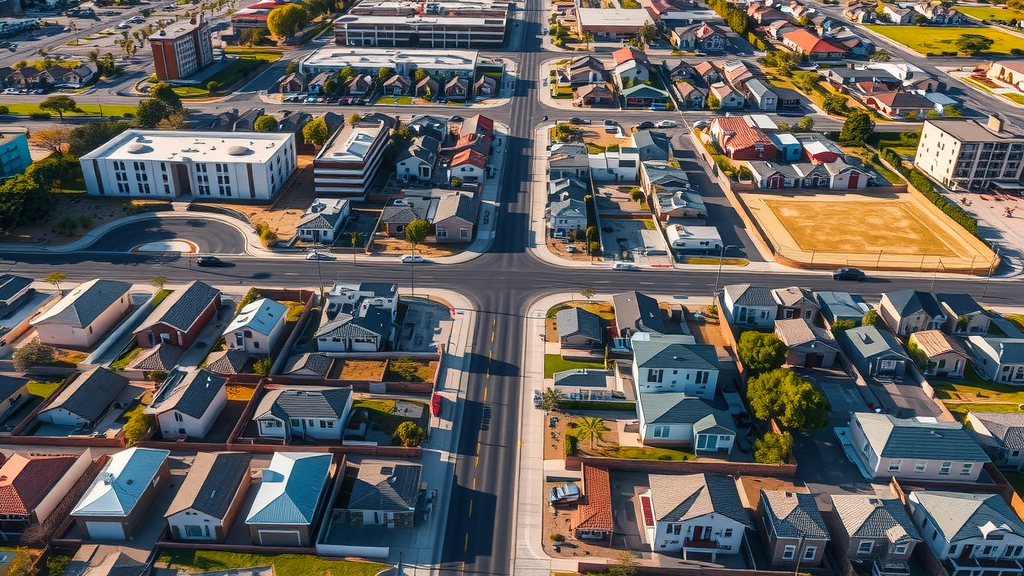
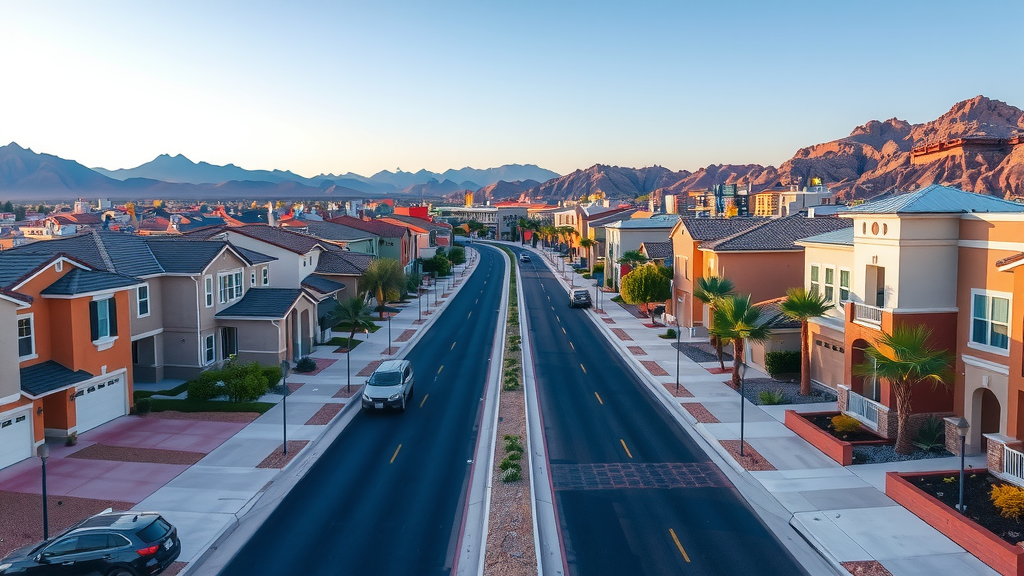
Did you know Las Vegas has a variety of neighborhoods, each with its own character? From Summerlin, known for its excellent schools, to the Strip, where you can feel the city’s energy. Choose areas that not only fit your aesthetic but also offer a lifestyle that matches your preferences.

Showings and evaluations
There is no doubt that visiting properties in person is crucial. I recommend going prepared with questions, such as the home’s history, when it was built and what kind of maintenance it has received. Remember that for some properties you may need an inspection before making an offer. This can prevent unpleasant surprises later.
Making an offer
When you find the house you want, the next phase is making an offer. Your real estate agent will help you craft a competitive proposal. In the current market, where many properties receive multiple offers, you may need to act quickly. Consider comparable sale prices in the area; you can use tools on Redfin to get a better picture.
You may need to include clauses that make your offer more attractive to the seller, such as a flexible closing date or waiving some contingencies.
Property inspection
Once your offer is accepted, hiring an inspector is crucial. A professional inspector will review the property to identify structural, electrical, plumbing, and other issues. This is vital to ensure you’re not making a decision that will cost you more in future repairs. You can find inspectors at InterNACHI, where you’ll find experts in the field.
Closing the sale
Finally, we arrive at closing. This phase involves signing papers, paying closing costs and transferring ownership. Make sure to have your attorney present if you think it may be helpful. It’s typical for the seller to review the final contract, so be patient.
In Las Vegas, the process can be a bit faster than in other states due to high demand and inventory. Here, closings often happen in less than 30 days, so keep your documents in order.

After the purchase
Once you move in, remember your responsibility doesn’t end. You will need to consider long-term maintenance of your home. Research the home improvement market and always have an emergency fund for unexpected events. Maintenance costs can be significant, so it’s best to be prepared.
For more tips on keeping your property in good condition, check HGTV.

Invitation to use my services
Today you have learned the fundamentals of how to buy a house in Las Vegas. I invite you to use my services to guide you through this process. You can also subscribe to my newsletter to receive valuable market information, early access to new listings and professional tips on buying and selling. Let’s make your dream home a reality!
Fernando Polti, your real estate market expert.
Sources
Frequently asked questions
How much do I need for a down payment in Las Vegas?
It depends on the type of loan. For FHA, 3.5% of the purchase price is typically required; conventional loans require 3% to 20% depending on your credit profile. If you’re looking for local programs for first-time buyers, you may reduce the down payment. Talk to me and we’ll review options and subsidies available in Nevada.
How does pre-approval work?
Pre-approval is a key step: the bank reviews your income, debts and credit to determine how much it can lend you. Having a pre-approval makes you more competitive in offers. It can be obtained in days if you provide documents; it’s free and guides you on your real budget. I will accompany you in choosing the best lender.
What closing costs should I consider?
Closing costs include taxes, escrow, title, title insurance and lender fees. There are also appraisal and property transfer fees. In Nevada these usually add up to between 2% and 5% of the purchase price. I provide a written estimate before signing to avoid surprises and plan the cash needed.
Do I need an inspection and an appraisal?
Yes. The appraisal is requested by the lender to confirm the property’s value; it influences how much they lend. The inspection is hired by you to uncover structural, plumbing or electrical issues. If something appears, you can negotiate repairs or credits with the seller. I don’t recommend skipping either; they protect your investment.
How do I choose the right neighborhood in Las Vegas?
Consider proximity to work, schools, transportation and the shops that matter to you: supermarkets, places of worship and eateries. Check crime rates and HOA rules if applicable. Think about resale and community: whether you want a family-friendly environment or nightlife, Las Vegas has different neighborhoods. I will show you options based on budget and daily routine.