News & guides
Exploring the Las Vegas Real Estate Market: A Guide for Buyers and Investors
Introduction to the Las Vegas Real Estate Market
Estimated reading time: 5 minutes
- Las Vegas is a growing real estate market with opportunities for buyers and investors.
- The average home price is approximately $400,000.
- Demand is driven by the city’s economic and tourism growth.
- Investors seek high returns with an average of 7.5% in rentals.
- There are challenges such as fierce competition and inventory shortages.
Table of contents:
- The Current Market Landscape
- The Role of Investors in the Market
- Challenges in the Real Estate Market
- Tips for New Buyers and Investors
- Future Outlook of the Market
- Sources
- Frequently Asked Questions
The Current Market Landscape
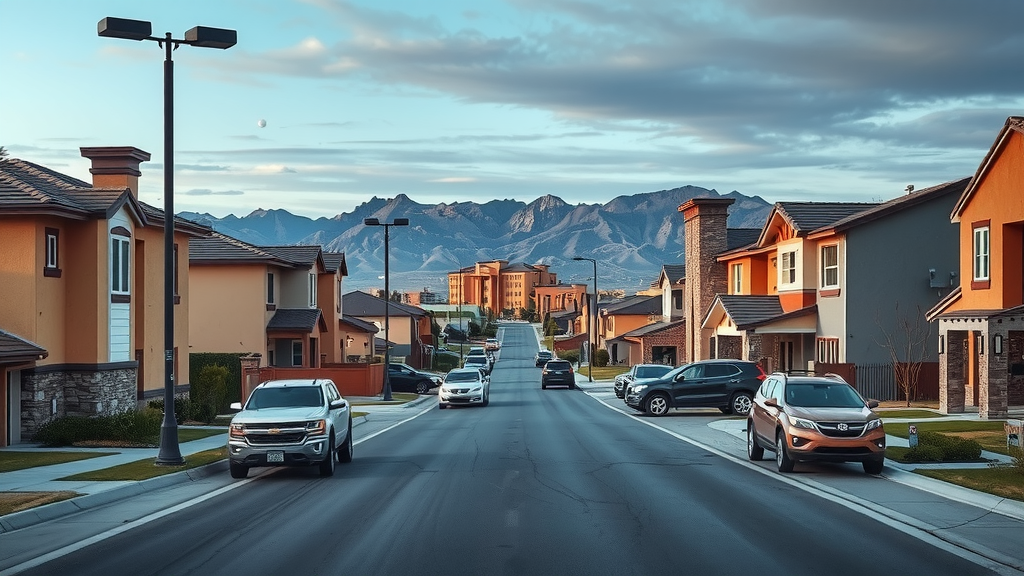
In a recent analysis by Zillow, it was observed that the average home price in Las Vegas is approximately $400,000. This price increase can be attributed to several factors, including inventory shortages and growing demand. Compared to previous years, the price increase can be striking: a 10% growth has been reported in the last year. For those looking to buy, understanding market trends is essential for making informed decisions.
Why is Las Vegas Attractive to Buyers?
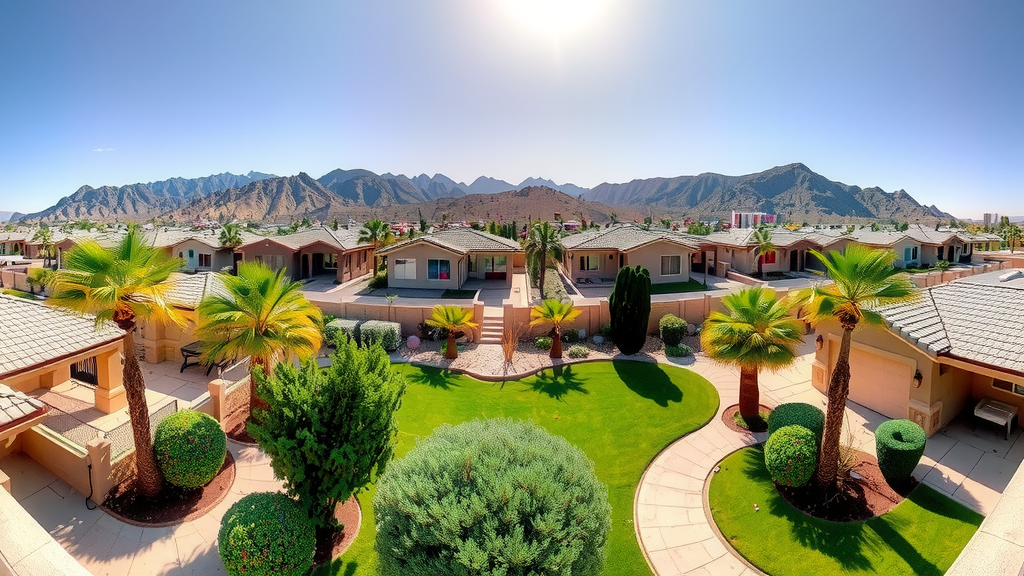
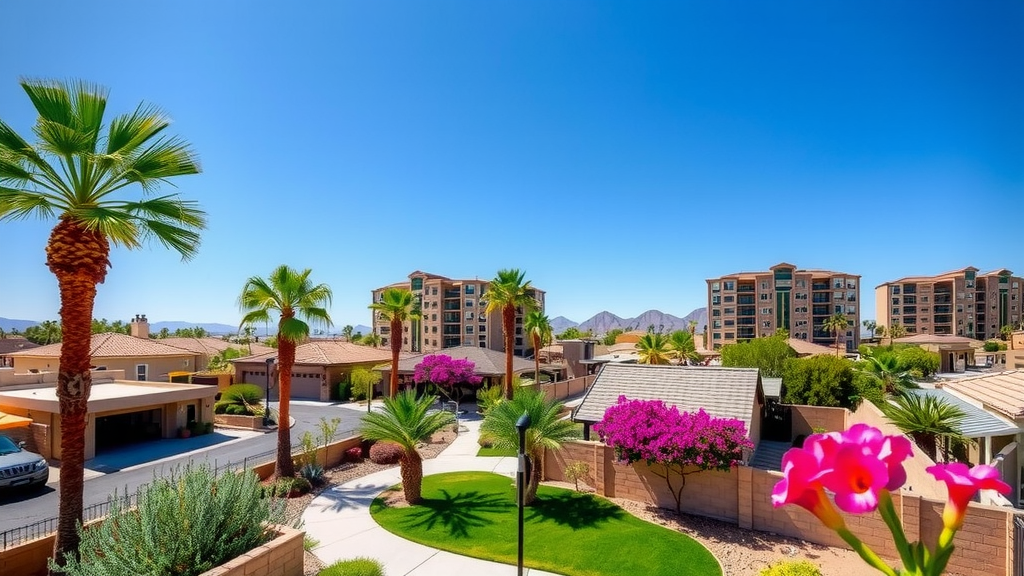
Las Vegas offers a diversification in housing options, from downtown apartments to family homes in suburbs like Summerlin and Henderson. This variety ensures that there is something for every type of buyer. Furthermore, the city has seen significant growth in infrastructure, with new schools, hospitals, and shopping centers adding value to properties.

The Role of Investors in the Market
Real estate investors view Las Vegas as fertile ground due to high rental yields. According to Marcus & Millichap, rental yields in the area have reached an average of 7.5%, which is attractive to those seeking passive income. Investment opportunities are not limited to residential properties; the commercial sector is also booming, especially in areas like the Strip, where the value of commercial properties is constantly rising.
The Impact of the Local Economy
The economy of Las Vegas is largely based on tourism, which has shown signs of recovery after the pandemic. According to the Las Vegas Convention and Visitors Authority, the city has seen a 23% increase in tourism since 2021. This increase benefits local businesses and instills confidence in the real estate market, as people feel more secure investing in a city that is returning to prosperity.
Challenges in the Real Estate Market
Although the Las Vegas market has many opportunities, it also faces challenges. The high demand has led to fierce competition, causing buyers to often engage in bidding wars. Additionally, the inventory shortage means that properties sell quickly, and buyers must be ready to act immediately.

Tips for New Buyers and Investors
If you are considering entering the Las Vegas real estate market, here are some tips that may help you:
- Do your research: Learn about each neighborhood and its characteristics.
- Set a realistic budget: Considering not only the purchase price but also additional costs such as taxes and maintenance.
- Consider working with a local real estate agent: Who knows the market well and can guide you through the process.
- If you are an investor: Evaluate the opportunities offered by both short-term and long-term rentals.
Future Outlook of the Market
The projections for the real estate industry in Las Vegas are optimistic. Analysts believe that as the economy recovers and tourism returns to previous levels, the demand for housing will continue to grow. Additionally, new projects are being developed that promise to revitalize areas and attract more residents.
In conclusion, Las Vegas represents a field of opportunities for both buyers and investors. With a solid understanding of the market and proper preparation, you can navigate this environment and find the ideal property that fits your needs.
I invite you to take advantage of my services as a real estate market expert. Subscribe to my newsletter for exclusive information on the market, early access to new listings, and expert advice on buying and selling properties.
- Zillow – Home Values in Las Vegas
- Marcus & Millichap – Rental Reports
- Las Vegas Convention and Visitors Authority – Tourism Information
Fernando Polti, your guide in the real estate market.
Sources
Zillow, Marcus & Millichap, Las Vegas Convention and Visitors Authority
Frequently Asked Questions
The most recommended areas to invest in Las Vegas include Summerlin, Henderson, and the Strip. Summerlin is known for its planned communities and parks, while Henderson offers a family-friendly environment. The Strip, while more expensive, has a high rental potential due to its tourist appeal.
When buying a property in Las Vegas, it’s vital to consider location, property type, and potential appreciation. It is also important to examine current interest rates and conduct a market analysis to understand supply and demand in the chosen area.
The warm and dry climate of Las Vegas influences property demand. Many buyers seek homes with pools and outdoor spaces, which can increase property prices. However, care must be taken with cooling costs during the summer.
The decision to buy or rent in Las Vegas depends on personal circumstances. Buying can be a good option if you plan to stay long-term, given the potential for appreciation. However, if you are in a more temporary situation, renting might be more convenient.
Investors in Las Vegas often opt for conventional loans or financing through a home equity line of credit. They may also consider hard money loans for quick investments. It’s essential to compare rates and terms to find the best option.