News & guides
How to navigate the real estate market as a buyer in Las Vegas
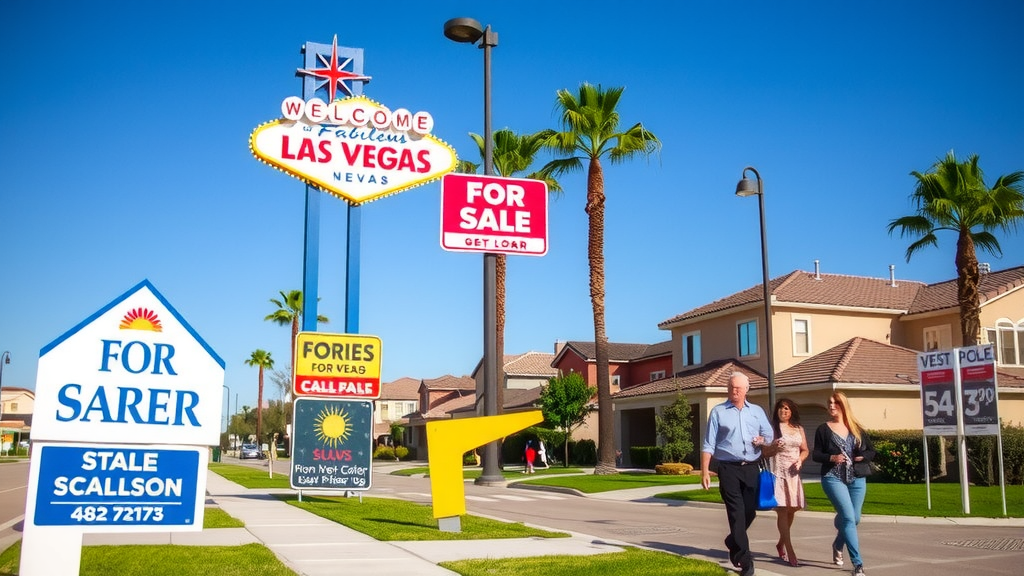
Tips for Buying a Property in Las Vegas
Estimated reading time: 7 minutes
- Determine your budget: Evaluate all associated costs before buying.
- Research the market: Use online resources to learn about trends and prices.
- Consider financing: Explore options like mortgages and first-time buyer programs.
- Choose a good agent: Look for recommendations for a reliable real estate advisor.
- Ask questions when visiting: Gather information about the property during visits.
Table of Contents
- Getting to Know Your Budget
- Researching the Las Vegas Market
- Preparing Financing
- Choosing a Real Estate Agent
- Property Visits and Evaluations
- Negotiating the Purchase
- Closing the Sale
- Maintaining Your Investment
- FAQ
Getting to Know Your Budget
Las Vegas is a place where dreams come true, and owning a property here can be an important step towards building a future. If you’re considering buying a house or an apartment in this opportunity-filled city, let me guide you through a simple yet effective process. This article will provide you with the necessary steps to navigate the Las Vegas real estate market and share some valuable insights to consider.
Before diving into the search for your home, it is essential to determine how much you can spend. A common mistake is underestimating the costs associated with buying a property. In addition to the price of the home, consider expenses such as taxes, closing fees, and maintenance.
Define Your Needs and Wants
Make a list of what you truly need in your new home. Think about how many rooms you need, whether you prefer to live near schools or workplaces, or if the community should have certain amenities. Remember that your home is an investment that should reflect your lifestyle.
Researching the Las Vegas Market
The Las Vegas real estate market has shown interesting characteristics in recent years. For example, in 2023, the median home price in Las Vegas increased by 6 % compared to the previous year. This means that if you wait too long to buy, you might miss opportunities.
Use Online Resources
Nowadays, there are many online tools that can help you understand the market. Visit sites like Zillow or Realtor.com for updated information about prices, market trends, and available properties. These sites will provide you with a clear idea of what to expect.

Preparing Financing
Once you understand your budget, the next step is securing financing. Here are some options you should consider:
Conventional Mortgages
Conventional mortgages usually require a down payment of 20%. However, if you can secure mortgage insurance, you may reduce this percentage. Learn about the different types of loans available and choose the one that best suits your needs.
First-Time Buyer Programs
There are programs that can offer assistance to first-time buyers. Some of these programs can help with the down payment or even provide lower interest rates. Check with your bank or a mortgage agent for more information.
Choosing a Real Estate Agent
Choosing a good real estate agent is key in the buying process. A local agent will have in-depth knowledge of the market and can help you find properties that meet your criteria. Here are some tips for selecting the right agent:
Research and Ask for Recommendations
Don’t hesitate to look for online reviews or ask for recommendations from friends and family. A good agent should not only be knowledgeable but also someone you feel comfortable working with.
Property Visits and Evaluations
When you find a property you like, schedule a visit. Take time to explore the home and its surroundings. Observe the quality of the construction, the maintenance of common areas, and the proximity to schools and services. These aspects will help you make an informed decision.

Make a List of Questions
During the visit, ask questions about the property. Inquire about the history of the house, past issues, and the length of time on the market. Asking questions is key to avoiding surprises in the future.
Negotiating the Purchase
When you find the ideal property, the next step is to make an offer. Don’t hesitate to negotiate; the price can be negotiable as long as you have solid information from market comparatives. Many successful buyers find that a well-founded offer can result in a more favorable price.
Include Clauses in the Contract
It is important to consider including clauses that protect your investment. For example, you might request a property inspection before closing the deal to ensure everything is in order.

Closing the Sale
Once you’ve reached an agreement, the final step is to close the sale. At this point, you will review and sign all necessary legal documents. Make sure to read each document carefully and don’t rush through the process.
Necessary Documentation
You will typically need documents such as: personal identification, proof of income, and evidence that you have the required funds for the purchase. Keep everything organized to facilitate the closing process.
Maintaining Your Investment
After the purchase, think about how to maintain and grow your investment. Conduct regular maintenance and stay informed about market valuations. It’s always good to be informed and proactive about your property.
Buying in Las Vegas can be exciting and also challenging, but with the right information and a clear plan, you can turn your dream of owning a home into reality. Don’t hesitate to ask me if you have questions or need assistance in the process.
Start Your Journey to a New Home Today!
I invite all interested parties to take advantage of my services as your real estate advisor. Also, subscribe to my newsletter to receive exclusive information about the market, early access to new properties, and buying and selling tips.
Fernando Polti, your guide in the real estate market.
FAQ
What should I consider before buying a home in Las Vegas?
Before buying a home in Las Vegas, it is important to evaluate your budget, the desired location, and the market conditions. Also, consider cultural differences that may influence your buying experience. Don’t forget to research interest rates and local taxes, and consult with a professional in the field.
How do I find a good neighborhood in Las Vegas?
To find a good neighborhood in Las Vegas, research areas that have a good reputation, access to schools and services. Ask friends or family in the area. You can also visit neighborhoods in person at different times of the day to get a better sense of the community.
What are the financing options available for homebuyers?
Buyers in Las Vegas have several financing options, including conventional loans, FHA, and VA. I would suggest reviewing which one is best suited for your situation. It’s essential to have good information about the rates and requirements of each type of loan to make the best choice.
Do I need a real estate agent to buy a home?
It is not mandatory to have a real estate agent to buy a home, but it is advisable. A good agent can provide you with valuable information about the market, negotiate better for you, and help you avoid common mistakes. This is especially important if you are not familiar with the buying process.
What are closing costs, and how much should I expect to pay?
Closing costs are expenses that are paid when finalizing a real estate transaction. This may include registration fees, legal fees, and other associated costs. Generally, closing costs are estimated to be between 2% and 5% of the purchase price, so it is wise to budget for this amount.