News & guides
How to Buy a House in Las Vegas Without Complications
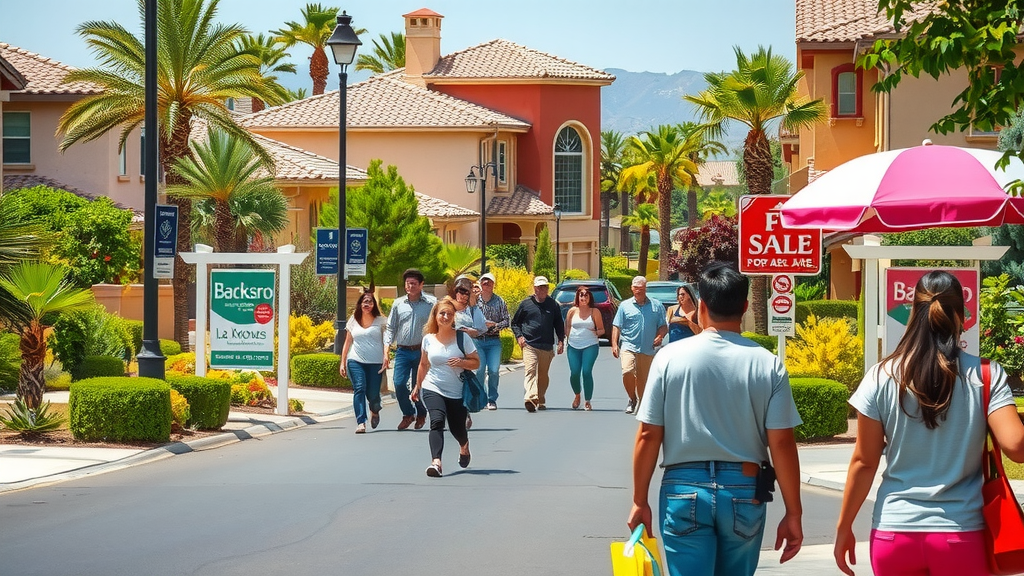
Guide to Buying a House in Las Vegas
Estimated reading time: 5 minutes
- Understand the Las Vegas real estate market.
- Set a realistic budget.
- Select a trustworthy real estate agent.
- Make an informed offer and conduct inspections.
- Consider additional costs such as taxes and maintenance.
Table of contents:
- Understand the Las Vegas real estate market
- Set your budget
- Select a real estate agent
- Start your home search
- Make an offer
- Closing the purchase
- Estimation of additional costs
- Conclusion
Understand the Las Vegas real estate market
Before diving into your search for the ideal home, it’s important to understand the current landscape of the market in Las Vegas. Home prices, for example, have seen significant growth in recent years. According to recent data from Realtor.com, the average home price in Las Vegas is approximately $450,000, a 12% increase from last year. This figure reflects not only rising demand but also the profitability of investing in this area.

Set your budget
Before any search, take a look at your finances. Define a realistic budget that includes not only the price of the home but also additional costs such as taxes, insurance, and closing fees. The 28/36 rule is a good guideline; this means you should not spend more than 28% of your gross monthly income on housing and no more than 36% on total debt.
Research your financing options
Mortgage loans are the most common form of financing. It’s crucial to research different options such as conventional loans, FHA, or VA, depending on your personal situation. Each type of loan has different requirements and interest rates. Additionally, if you are someone who prefers to save, you might consider increasing your down payment to secure better rates.
Select a real estate agent
Having a good real estate agent is essential. A professional who knows the local market can provide valuable insights about neighborhoods, price trends, and properties that fit your needs. You can gather recommendations from friends or check online agent profiles. My advice: look for an agent who feels comfortable communicating with you in your language and who truly understands your needs.

Start your home search
Now that you have your budget and an agent, it’s time to start your search. Use platforms like Zillow or Trulia to explore available properties. Define what features are essential for you, such as the number of bedrooms, garden size, or proximity to schools and supermarkets.
Make visits and ask questions
When you start visiting houses, don’t hesitate to ask questions. Inquire about the history of the house, the neighborhood, and any additional costs you might not have considered. Keep an open mind during your search but also pay attention to details that could mean a greater investment in the long run, such as the need for repairs.
Make an offer
Once you find a property you like, your agent will help you formulate an offer. This includes the pricing strategy: a comparative market analysis will help determine a fair offer price. Remember that the first offer may be negotiable, so prepare for a chess game where communication and strategy are key.
Inspections and evaluation
Once your offer is accepted, it’s advisable to have the property inspected. This can reveal hidden problems that could cost you dearly in the future. Additionally, an appraiser will evaluate the property to ensure that the value aligns with the purchase price. This is crucial to secure financing.

Closing the purchase
Closing is the final step in the purchasing process. During this phase, you will sign all necessary documents and make the final payment. Remember that both the seller and a bank representative should be present, as well as you and your agent. Once completed, you’ll have the keys to your new home! Make sure to review all documents to confirm that everything is correct.
Estimation of additional costs
In addition to the purchase price, consider the additional costs:
- Taxes: Property taxes vary by area, but it’s a cost to consider monthly.
- Home insurance: While not a closing cost, it is necessary to protect your investment.
- Maintenance: Homes require regular maintenance, from minor repairs to renovations. So make sure to include a fund for these expenses in your budget.
Post-purchase change
After moving in, take some time to adapt to your new neighborhood. Get involved in the local community, meet your neighbors, and explore the amenities your new home offers. This not only helps improve your quality of life but can also enhance the value of your property.
Conclusion
Buying a house in Las Vegas is not just a financial investment, it’s also a significant decision about your lifestyle and future. Following this guide, you will feel more prepared to face the adventure of acquiring your own property in this beautiful city. Remember, it is always advisable to consult with an expert, like me, to navigate this process effectively.
Fernando Polti, your real estate expert
Ready to start your home search in Las Vegas?
I invite you to take advantage of my services. Subscribe to my newsletter to receive exclusive information about the market, early access to new properties, and expert tips on buying and selling.
FAQ
What are the steps to buy a house in Las Vegas?
The steps include: determining your budget, pre-approving a mortgage, searching for properties, making offers, and finally closing the sale. Each step requires attention to avoid complications.
What should I consider when choosing a neighborhood in Las Vegas?
It is important to consider proximity to services, the safety of the area, and schools if you have children. Research the community surrounding the property.
Is it necessary to have an agent to buy a house?
No, it is not mandatory, but having a real estate agent can help you find the best deal and handle the legal aspects of the process.
How much should I save for the down payment?
The down payment usually ranges from 3% to 20% of the price of the house. Some programs offer assistance for the down payment, which can be beneficial.
What documentation do I need to buy a house?
Generally, you will need identification, proof of income, information about your debts and assets, in addition to loan pre-approval.