News & guides
How to Buy a House in Las Vegas: A Practical Guide to Success
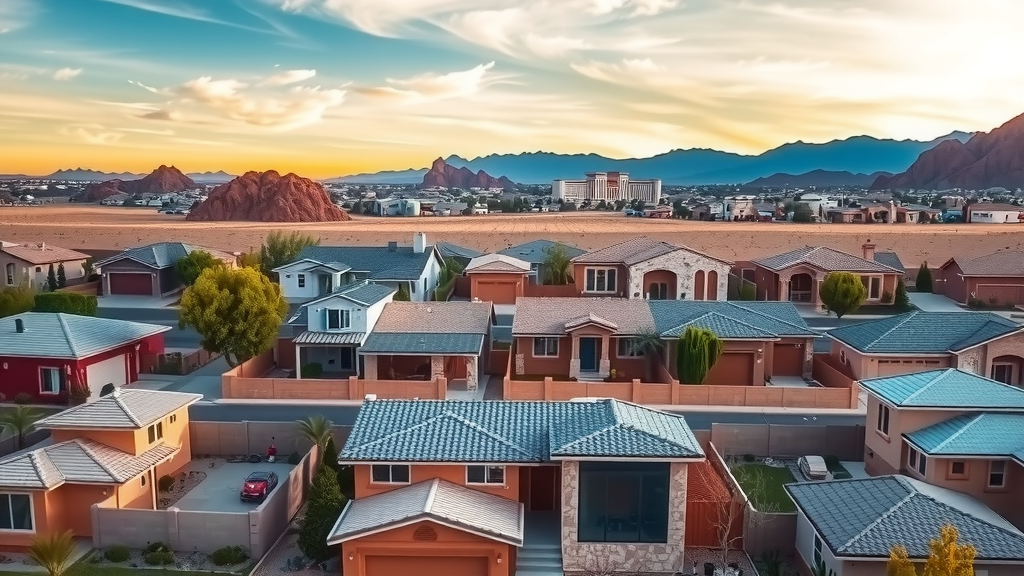
Buying a House in Las Vegas: A Practical Guide
Estimated reading time: 5 minutesKey Points:
- Understand the current state of the Las Vegas real estate market.
- Define your budget and the necessary additional costs.
- Research adequately before choosing a property.
- Prepare for the financing and offering process.
- Conduct a proper inspection before closing.
Table of contents:
- Understanding the Las Vegas Real Estate Market
- Defining Your Budget
- Exploring Financing
- Choosing the Right Property
- Property Visits
- Make an Offer
- Inspection and Closing
- Conclusion
Understanding the Las Vegas Real Estate Market
Buying a house in Las Vegas is a dream for many. The city is not only famous for its entertainment and lifestyle but also for its opportunities in the real estate market. However, the process can be complex, and it is crucial to be well informed to make savvy decisions. In this guide, I offer practical advice and actions you can implement.
First of all, it is essential to understand the current market state. Las Vegas has seen steady growth in property values. According to the , the median home price in Las Vegas has increased by 20% since last year. This is due to a combination of a growing economy and high buyer demand. In this context, I encourage you to act quickly if you find a property you like.
Defining Your Budget
Before diving into the search for your new home, it’s crucial to have clarity on your budget. This includes not only the purchase price but also other associated costs such as taxes, insurance, and maintenance expenses. I recommend the following:
- Assess your income and debts: Make a clear balance of your finances to know how much you can spend.
- Consult with a lender: Obtaining a mortgage pre-approval will help define your price range.
- Consider additional costs: Don’t forget to include closing costs, agent commissions, and other expenses.
Exploring Financing
Having the right financing is vital in the buying process. There are different options available, including:
- Conventional loans: Typically require a larger down payment but offer competitive interest rates.
- FHA loans: Ideal for first-time buyers, require less than 3% down payment.
- VA loans: If you served in the military, you may qualify for a zero down payment loan.
Choosing the Right Property
Now that you have clarity on your budget, it’s time to look for the property that fits your needs and desires. Here are some tips:
- Location: Research neighborhoods in Las Vegas. Some are more family-friendly, while others are more suited for singles.
- Personal needs: Define whether you want a single-family home, a condo, or a multifamily property.
- Appreciation potential: Consider if the area is growing, as this can increase the value of your investment in the long term.

Property Visits
Visiting properties is fundamental. I recommend making a list of questions to ask during the visits:
- How long has the house been on the market?
- What repairs are needed?
- What are the property taxes and their variations?
Sometimes, a house may look perfect in pictures, but may not have the same charm when visiting in person. Take your time in this stage. Remember, not everything that glitters is gold.
Make an Offer
When you find the house you want and are ready to make an offer, consider the following steps:
- Research the price of similar houses: This will give you an idea of a fair price.
- Make a competitive offer: If the market is competitive, you may need to offer more than the listed price.
- Add conditions: Be sure to include conditions that benefit your interests, such as inspections.
Inspection and Closing
Once your offer is accepted, it’s vital to conduct an inspection of the property. This will allow you to discover problems that are not obvious at first glance. Have a licensed inspector help you check the house. If there are significant issues, you can negotiate repairs or price adjustments.
Finally, closing. This process can be lengthy and requires the signing of multiple documents. Don’t hesitate to ask if something isn’t clear. Closing is the time when you officially become a homeowner.

Conclusion
Buying a house in Las Vegas can be a challenging process, but with the right information and steps, you can navigate it with confidence. Keep an open mind and seek help if you need it. My experience in the market can be a valuable resource on your journey to buying your home.
I invite you to take advantage of my services. If you want to receive exclusive market information, early access to new listings, and expert advice in buying and selling properties, feel free to subscribe to my newsletter.
Sources

Fernando Polti, your guide in the real estate market.
What are the requirements to buy a house in Las Vegas?
To buy a house in Las Vegas, you need to demonstrate your financial ability, have a good credit history, and a down payment, which is generally between 3% and 20% of the home price. Also, make sure to have all the documentation ready for the process.
How can I get a mortgage in Las Vegas?
Getting a mortgage involves contacting lenders and presenting your financial situation. It’s important to compare interest rates and terms. Also, having a good credit score and job stability can facilitate this process. Consult a financial advisor if you need help.
What neighborhoods are recommended for families in Las Vegas?
Neighborhoods like Summerlin and Henderson are popular among families, featuring good schools and parks. Also, proximity to services and recreational activities is a key factor. Researching the school community and transportation options can be helpful when deciding.
How long does the home buying process take?
The process of buying a home in Las Vegas can take between 30 and 60 days, depending on various factors such as financing approval, inspections, and whether there are contingencies in the contract. It’s important to be patient and maintain good communication with your real estate agent.
What expenses should I consider besides the house price?
Besides the house price, you should consider closing costs, taxes, homeowners insurance, and maintenance costs. It is also advisable to create an emergency fund for unexpected repairs. Keeping all this in mind will help you better plan your purchase.