News & guides
Guide to Buying a Property in Las Vegas
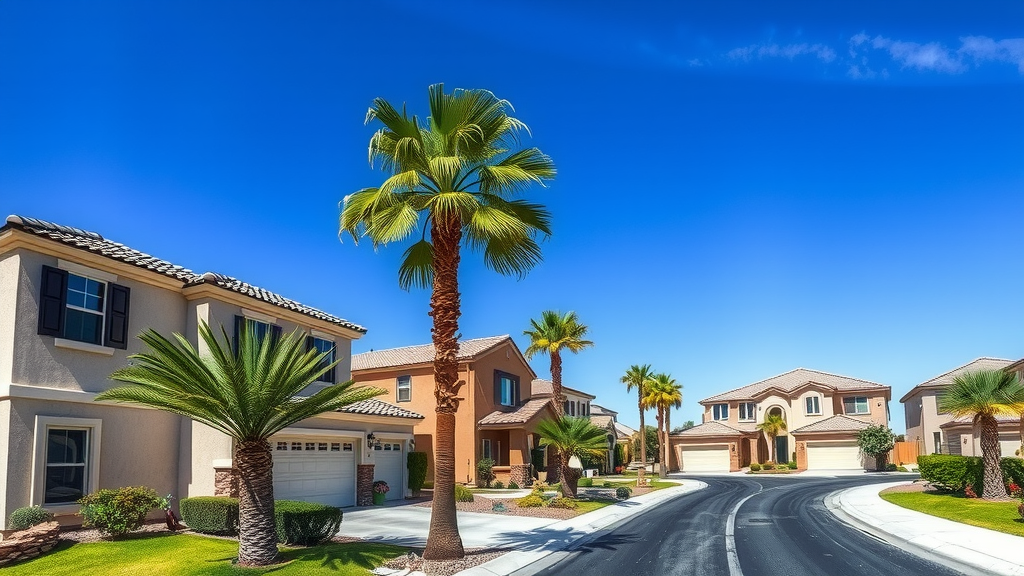
Guide to Buying a Property in Las Vegas
Estimated reading time: 5 minutes
- Understand the buying process.
- Define a clear budget.
- The crucial role of mortgage prequalification.
- The importance of having a good real estate agent.
- Considerations when making an offer.
Table of Contents
- 1. Define your budget
- 2. Mortgage Prequalification
- 3. Find a real estate agent
- 4. Research the local market
- 5. Start your home search
- 6. Make an offer
- 7. Inspections and negotiations
- 8. Closing and purchase
- Conclusion
Buying a property in Las Vegas can be as exciting as it is challenging. The city, known for its bright lights and energetic lifestyle, offers a dynamic real estate market that has attracted many interested buyers.
For anyone considering acquiring a home in this vibrant city, it’s essential to understand how to navigate this process. Here’s a step-by-step guide that will help you become a homeowner in Las Vegas.
1. Define your budget
The first step in buying a property is to establish a clear budget. This involves not only the purchase price but also considering other expenses such as taxes, insurance, and future maintenance. Statistics show that in Las Vegas, the average home price is around $350,000. However, this number may vary depending on the location and the type of property.

Practical example
If you have a monthly income of $4,000, a general rule is that your mortgage payments shouldn’t exceed 28% of your income. This means you could allocate up to $1,120 monthly for your mortgage.
2. Mortgage Prequalification
Before you start house hunting, it’s crucial to obtain mortgage prequalification. This involves speaking with a lender who will review your financial situation. Knowing how much you’re approved for will help you focus on properties that you can actually afford.
Why is it important?
In addition to knowing your budget, having a prequalification letter gives you credibility when making an offer. It’s a sign to sellers that you’re ready to close the deal.
3. Find a real estate agent
A good real estate agent can be your best ally in the buying process. They have experience in the local market and can guide you towards the best options based on your needs and budget. Don’t skimp on choosing someone trustworthy!

How to choose the right agent
- Seek recommendations from friends or family.
- Research online, read reviews, and check their history.
- Interview several agents to find someone whose goals align with yours.
4. Research the local market
Understanding the Las Vegas real estate market will help you make informed decisions. Currently, the market is experiencing steady growth, partly due to the migration of people from other parts of the country seeking new opportunities.
Factors to consider
- Promotions in the area: Are there new developments or planned infrastructure?
- School quality: Many buyers value their children’s education.
- Safety: Research the safety of the neighborhoods you are considering.
5. Start your home search
Utilize online tools and resources provided by your agent to explore properties. Try to visit several homes in different neighborhoods to get a clear idea of what you like and what fits your budget.

Useful tips
- Make a list of what you want in your new home: number of rooms, size of the yard, etc.
- Don’t rush. Take your time to find the right place.
6. Make an offer
Once you’ve found the right house, it’s time to make an offer. Your agent can help you determine a competitive offer based on current market analysis and the value of other properties in the area.
Important considerations
Keep in mind that making an offer that is too low may alienate sellers. Ensure that your offer reflects the appropriate value of the property.
7. Inspections and negotiations
After your offer is accepted, you should perform an inspection of the property. This stage is critical to identify potential problems that may require repair. If issues are found, you can renegotiate the price or ask the sellers to fix them before closing.
8. Closing and purchase
Closing is the final phase where all documents are signed and the property is transferred. Make sure your financing is in order and verify that everything is correct in the documents before signing.
Post-closing
Once you have the keys to your new home, don’t forget to consider moving costs and set up your new space comfortably. Enjoy your new house and everything Las Vegas has to offer.
Conclusion
Buying a property in Las Vegas may seem a complex task, but with the right information and resources, you can navigate this process with confidence. Remember to define your budget, obtain mortgage prequalification, and have a trusted real estate agent by your side.
Ready to take the next step?
I invite everyone to take advantage of my services. Also, subscribe to my newsletter for exclusive market information, early access to new listings, and expert tips on buying and selling properties.
Best regards,
Fernando Polti, your guide in the real estate market.
What are the requirements to buy a property in Las Vegas?
To buy a property in Las Vegas, you need to have a social security number and verify your income. It’s also important to have a good credit history. Additionally, you should prepare for the down payment and understand the different types of loans available, such as FHA or conventional loans.
How to find a good property in Las Vegas?
There are several ways to find a good property in Las Vegas. You can search online through real estate portals, work with a local agent who knows the market, or visit areas of interest. Don’t forget to consider proximity to schools, jobs, and services.
What additional expenses should I consider when buying a house?
In addition to the purchase price, it’s important to consider other expenses. This includes property taxes, closing fees, inspection costs, and, if necessary, insurance. Having an emergency fund for repairs is also a good practice.
Is it advisable to buy a property as an investment in Las Vegas?
Properties in Las Vegas can be a good investment, especially with the growth of tourism and the local economy. However, it’s crucial to research the market, rental trends, and associated costs. A good analysis will help you make an informed decision.
What is the closing process in a property purchase?
The closing process involves signing all the necessary documents and finalizing the terms of the contract. It also includes the transfer of financing and the title of the property. It’s advisable to have legal representatives or an agent present to ensure everything is handled correctly.